



How Can You Tell if Yarn Is Plant-Based? | Vegan Yarn
Vegan Yarn Analysis
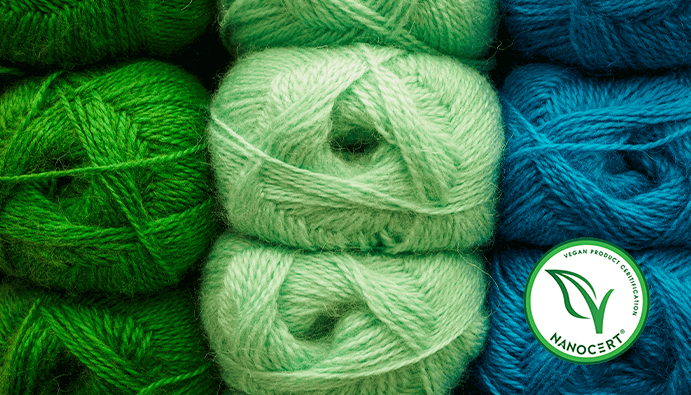
The growing acceptance of veganism and the increasing number of vegans have led us to question all the products we use beyond just food. Threads traditionally made from wool and silk are not vegan. No product produced by exploiting animals can be considered vegan.
In vegan yarn production, plant-based materials such as cotton, bamboo, linen, and hemp—or synthetic products—must be used. Yarns produced using plant-based or synthetic materials are both practical and high-quality.
Where Are Yarns Used?
Yarn is a fundamental material that has been used throughout human history. From household use to industry, and from textiles to crafts, various types of yarn are needed in many fields. Depending on the application, characteristics such as durability, flexibility, and whether the rope is natural or synthetic may vary.
Main Areas of Use:
- 🔹Textiles and Fashion: Sewing, knitting, accessory production
- 🔹Packaging and Transportation: Ropes and packaging twine
- 🔹Agriculture and Gardening: Tying and support twine
- 🔹Home Decor and Crafts: Macramé, decoration, handmade products
- 🔹Marine and Industrial Use: Ropes, heavy-duty binding cords
Plant- and Animal-Based Raw Materials Used in Rope Production
The raw materials used in rope production can be natural or synthetic. However, natural ropes in particular have significant differences in composition from a vegan perspective.
Plant-Based Threads:- 🔹Cotton Thread: It is the most commonly used natural thread. It is preferred for sewing, knitting, and handicrafts.
- 🔹Hemp String: It is a durable and eco-friendly alternative.
- 🔹Jute String: It is frequently used for decorative purposes due to its natural color.
- 🔹Ramie and Banana Fiber: These are alternative plant-based fibers originating in Asia.
Animal-Based Strings:
- 🔹Silk Thread: Derived from the silkworm, it offers high luster and softness.
- 🔹Wool: Produced from the fleece of animals such as sheep, alpacas, and goats.
- 🔹Cashmere and Angora: These are animal-derived, luxury yarn types.
While animal-based yarns are often preferred for their warmth, elasticity, and softness, ethical and environmental concerns take precedence for vegan consumers.
Vegan yarns approved by the Nanocert certification body are labeled and can be offered for sale as products that consumers can use with peace of mind.
The Nanocert Certification Body continues to provide services under Vegan Textile Analysis and Certification. We also provide services related to the Cruelty-Free Certification.
For the latest news and updates about our services, you can follow us on LinkedIn.
To stay updated on our latest blog posts, follow our Instagram account.