



Is Carmine Vegan? | Red Food Coloring
Is Carmine Vegan?
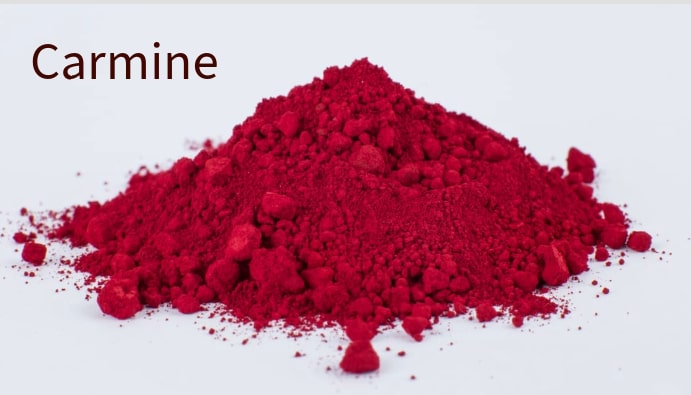
Carmine is a red-toned colorant widely used in the food, cosmetics, and textile industries. Because it is derived from a natural source, this ingredient is preferred in many products and is found particularly in items such as candy, beverages, lipstick, and blush. However, the production process and source of carmine can be an important consideration for those who follow a vegan or vegetarian diet or lifestyle. For this reason, it may be helpful to carefully review the ingredient list and research alternative coloring options before consuming products containing carmine.
What Is Carmine?
Carmine is a natural red food coloring known by the code E120. This substance is derived from the Coccus cacti (cochineal) insect and is used in food, cosmetics, and textile dyes.Common uses of carmine:
✔️ Candies, fruit juices, yogurt, and alcoholic beverages
✔️ Lipstick, blush, and other makeup products
✔️ Textile dyes and pharmaceutical coatings
To produce carmine, cochineal insects are crushed, and the red pigment they contain is extracted. Since this process requires killing the insects, it is considered unethical by vegans and animal rights advocates.
What to Look For in Products Containing Carmine?
Be cautious if you see the following terms listed on food and cosmetic products:✔️ Carmine (E120)
✔️ Cochineal Extract
✔️ Natural Red 4
✔️ Cactus Insect Dye
If you’re looking for a vegan product, you should choose options that do not contain these ingredients.
Is Carmine Vegan?
No, carmine is not vegan. Since carmine is an animal-derived colorant obtained from insects, it is not suitable for a vegan diet or lifestyle. However, plant-based and synthetic alternatives are available.
What Are the Vegan Alternatives to Carmine?
There are plant-based and synthetic alternatives that can be used instead of carmine:✔️ Beet Root Powder – Contains natural red pigment.
✔️ Carrot Extract – Provides an orange-red color.
✔️ Lycopene (Tomato-Based) – Used to achieve a bright red hue.
✔️ Synthetic Colorants (E122, E124, E129) – Although vegan, some people avoid them because they are artificial additives.
Nanocert Certification Organization continues to provide services under Vegan Food Analysis and Certification. We also provide services related to Cruelty-Free Certification.
For the latest news and updates about our services, you can follow us on LinkedIn.
To stay updated on our latest blog posts, follow our Instagram account.