



Is Bee Pollen Vegan? What Is Its Role in a Vegan Diet?
Is Bee Pollen Suitable for a Vegan Diet?
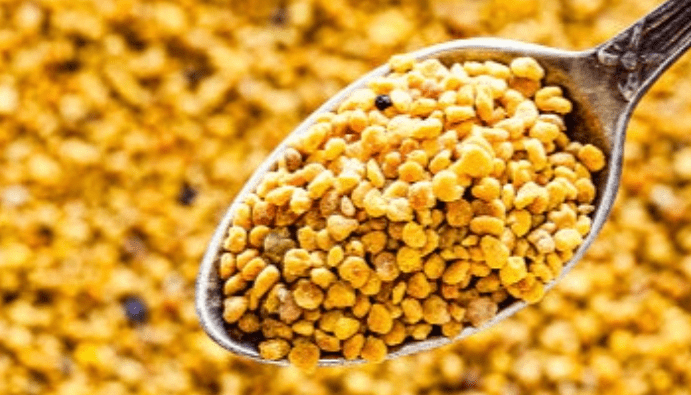
What Is Bee Pollen?
Bee pollen consists of fine pollen grains in the form of a fine powder that honeybees collect from flowers and carry back to the honeycomb. It is very rich in protein, amino acids, vitamins, minerals, and antioxidants. Bees mix pollen with honey and nectar and use it as a food source.
In Which Products and Fields Is It Used?
1. Food and Dietary Supplements
🔹 Products in which it is used as a superfood and natural supplement:
✔ Consumed mixed with honey and bee products✔ Added to smoothies and fruit juices
✔ Sold as a dietary supplement in capsule and powder form
✔ Used in muesli, granola, and yogurt
✔ Added to protein bars and energy drinks
Bee pollen is preferred as a natural superfood by athletes and those looking to strengthen their immune system.
2. Cosmetics and Skincare Products
🔹It is used for its skin-nourishing and antioxidant properties:
✔ Face masks and moisturizing creams✔ Anti-aging products
✔ Natural treatment creams for skin conditions such as eczema and psoriasis
✔ Hair care masks and shampoos
It is a natural ingredient used for sensitive skin due to its soothing effect on the skin.
3. Medical and Alternative Medicine Uses
🔹It is believed to strengthen the immune system and boost energy:
✔ It is used as a natural anti-inflammatory✔ It is consumed to support the immune system against allergies
✔ It is recommended for hormonal balance and reproductive health
✔ It is found in some supplements to support liver health
In alternative medicine, it is a superfood recommended for general health support.
Is Bee Pollen Vegan?
No, it is not vegan. Since bee pollen is a substance collected by honeybees and produced by animals, it is not considered vegan.
🔹 Why?
✔ It disrupts the bees’ natural life cycle.✔ Some commercial beekeeping practices can harm bees.
✔ Since veganism opposes the exploitation of animals, any product derived from bees is not considered ethically acceptable.
For this reason, vegans and those with ethical concerns may prefer plant-based alternatives to bee pollen.
Plant-Based Alternatives
If you’re looking for plant-based and ethical alternatives to bee pollen, the following superfoods can provide similar nutritional values and benefits:
1. Pine Pollen: A plant-based and vegan pollen alternative. It is a natural pollen produced by pine trees. It is rich in amino acids, vitamins, and minerals. It supports the immune system and provides energy. It can be consumed in powder or capsule form as an alternative to bee pollen.2. Chia Seeds: They are a source of omega-3, protein, and fiber. They have energy-boosting properties similar to bee pollen. They are very rich in fiber and antioxidants. They can be used in smoothies, yogurt, salads, and desserts. They are a great alternative for supporting the immune system and boosting energy.
3. Spirulina: It is one of the richest plant-based sources of protein and vitamin B12. It is a superfood derived from blue-green algae. Like bee pollen, it supports the immune system and contains antioxidants. It can be consumed in powder or capsule form. It is an ideal alternative for athletes and individuals with high protein needs.
4. Flower Powders and Plant Pollen: Plant pollens can be used as an alternative to bee pollen. Some plants produce natural pollen, which can support the immune system. It is available in capsule or powder form. It is particularly suitable for those who want to strengthen their immunity against allergies.
5. Nutritional Yeast: It is a source of vitamin B12 and protein. Like bee pollen, it is rich in vitamins and minerals. It contains protein, amino acids, and B vitamins. It is also used as a cheese alternative. It is a popular alternative consumed for immune support in vegan diets.
Nanocert Certification Organization continues to provide services under Vegan Food Analysis and Certification. We also offer services related to Cruelty-Free Certification.
For the latest news and updates about our services, you can follow us on LinkedIn.
To stay updated on our latest blog posts, follow our Instagram account.